

909-524-2906


909-524-2906

When Replacement Is Better Than Repair: Signs Your Home Needs Whole-House Re-Piping
November 26, 2025
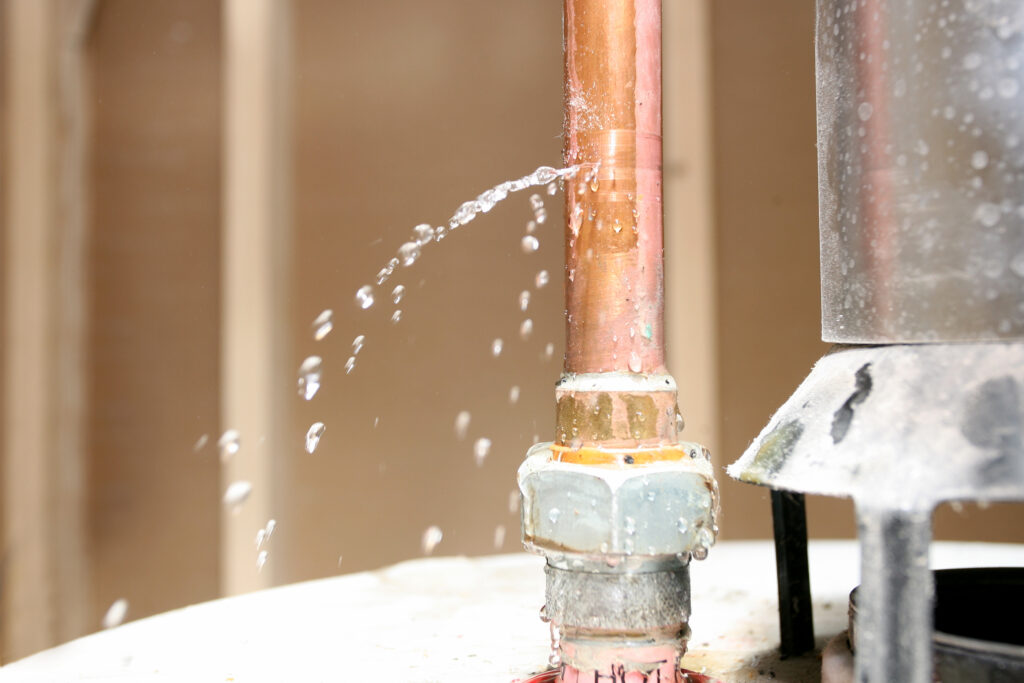
Plumbing repairs are a normal part of homeownership. A faucet drip here, a clogged drain there — those are manageable. But when your pipes themselves start to fail, repeated repairs quickly become frustrating, expensive, and disruptive. That’s when homeowners begin to ask: Is it time for whole-house re-piping? At Hank & Sons Plumbing, we help homeowners determine whether repairs are still reasonable, or if full pipe replacement is the smarter long-term solution. If your home is showing any of the following signs, re-piping may be the right move.
Aging or Outdated Pipe Materials
The age and material of your plumbing system are major indicators of whether replacement is needed. Homes built before 1980 often used galvanized steel pipes, which are prone to corrosion and internal rust buildup. Even if you haven’t noticed major leaks yet, these pipes may already be severely compromised on the inside. Other problematic pipe materials include polybutylene, which was widely used in the 1980s and 90s, and is now known for sudden, unpredictable failures. If your home still features any of these materials, replacement is typically recommended over repair.
Low Water Pressure Throughout the Home
If low water pressure affects multiple fixtures—not just one sink or shower—it may not be a simple fixture issue. Consistently low pressure is often a sign of heavy internal corrosion, mineral buildup, or pipe deterioration. When pipes become clogged from the inside out, no amount of snaking or cleaning will restore proper pressure. At that point, re-piping is not just a solution — it’s a necessity for functional plumbing.
Recurring Leaks in Different Areas
One leak is a simple fix. Two leaks might be a coincidence. But if leaks are happening in different areas of the home, especially within walls or under floors, it’s a sign that your entire pipe system is wearing down. Patching leak after leak may seem cheaper in the moment, but over time you’ll spend more on repairs than you would on replacement. Not to mention, small leaks often go unnoticed — causing mold growth, structural damage, or slab deterioration.
Discolored or Rust-Tinged Water
Brown, yellow, or rusty-looking water is never a good sign. It usually indicates internal corrosion, and in most cases, that corrosion is happening inside the pipes, not the water heater. If discoloration occurs when both hot and cold taps are running, it’s likely due to degraded pipes. Corroded pipes not only affect water quality — they also weaken over time and become prone to cracks, pinholes, and bursts.
Extreme Temperature Fluctuations
Ever turn on a faucet and experience extreme temperature swings? That’s often a symptom of failing pipes or inadequate flow due to mineral buildup. When corroded or restricted pipes interrupt the water mix, it becomes difficult for your plumbing system to maintain consistent hot and cold balance.
Frequent Plumbing Repairs
If you’ve needed multiple plumbing repairs over the past few years, you may be maintaining a failing system. Instead of fixing problem after problem, whole-house re-piping provides a fresh start with durable, modern materials such as copper or PEX. These materials resist corrosion, scale, temperature fluctuations, and high water pressure — giving you decades of reliability.
Make the Smart Investment
Re-piping may sound like a big undertaking, but it’s often the most economical long-term solution — especially if repairs are becoming common. With expert help from Hank & Sons Plumbing, your home’s plumbing can be upgraded with minimal damage to walls or floors, using modern installation techniques and lasting materials.
Schedule a Whole-Home Pipe Inspection Today
Don’t wait for leaks, water damage, or plumbing emergencies to make the decision for you. Call Hank & Sons Plumbing at 909-524-2906 to schedule an inspection and find out if whole-house re-piping is the right solution for your home.