

909-524-2906


909-524-2906

Septic Tank or Sewer System? What Inland Empire Property Owners Should Know
August 22, 2026
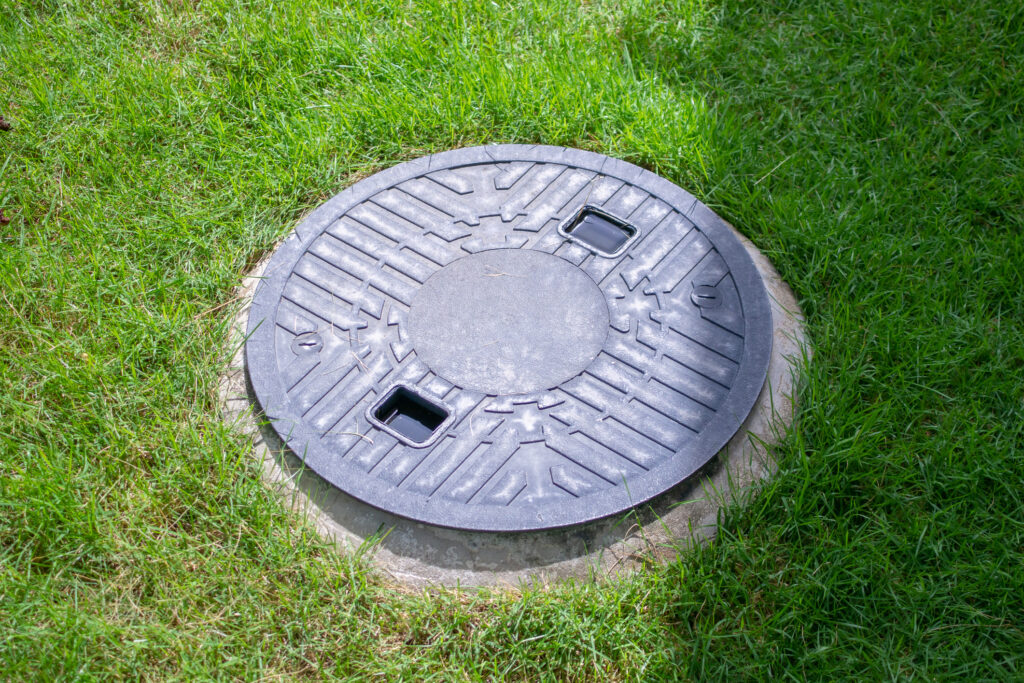
Many property owners don’t think much about their wastewater system until something goes wrong. But whether your home or business is connected to a municipal sewer line or relies on a septic tank makes a big difference in how you should be maintaining your plumbing. Here in the Inland Empire, both systems are common depending on your location, and understanding which one you have is the first step toward avoiding costly surprises.
How to Tell Which System You Have
If you’re not sure whether your property uses a septic tank or is connected to the city sewer, there are a few ways to find out. Properties in more rural or unincorporated areas of the Inland Empire are more likely to rely on septic systems, while those closer to city centers are typically connected to municipal sewer lines. You can also check your property records, look for a septic tank lid or drain field in your yard, or simply call a professional plumber to inspect and confirm.
Septic Tank Basics
A septic tank is a self-contained wastewater treatment system located on your property. Solid waste settles at the bottom of the tank while liquid waste flows out to a drain field, where it’s naturally filtered back into the soil. Septic systems require regular pumping, typically every three to five years, along with attention to what goes down your drains. Harsh chemicals, excess grease, and non-biodegradable items can all disrupt the delicate balance of bacteria that keeps a septic system working properly.
Sewer System Basics
If your property is connected to a municipal sewer system, wastewater travels through pipes to a city-operated treatment facility. While this means you don’t have to worry about a tank on your property, sewer systems come with their own set of concerns. Tree root intrusion, aging pipes, and blockages further down the line can all cause backups, and because sewer lines are shared infrastructure, problems can sometimes originate outside your direct control.
Maintenance Differences Worth Knowing
Septic systems demand a more hands-on approach since the entire treatment process happens on your property. This means regular pumping, mindful water usage, and periodic inspections of the tank and drain field. Sewer-connected properties still need maintenance, but it’s typically focused on the lateral line connecting your property to the main sewer, which can be prone to root intrusion and buildup over time. Both systems benefit from routine camera inspections to catch problems before they become emergencies.
Warning Signs to Watch For
Regardless of which system your property uses, certain warning signs should never be ignored:
- Slow drains throughout the house or building
- Gurgling sounds coming from pipes or fixtures
- Sewage odors indoors or outdoors
- Wet or unusually green patches in the yard (a common septic sign)
- Multiple fixtures backing up at the same time
Any of these symptoms could indicate a developing problem that needs professional attention before it turns into a major repair or health hazard.
Trust Hank & Sons Plumbing With Your Wastewater System
Whether you’re dealing with a septic tank or a sewer line connection, Hank & Sons Plumbing has the experience to keep your system running smoothly. Our team can help you identify which system your property uses, perform routine maintenance, and address any warning signs before they become costly emergencies.
If you’re unsure about your wastewater system or you’re noticing any of the warning signs above, don’t wait. Call 909-524-2906 today to schedule an inspection and get peace of mind about your property’s plumbing.