
Emergency Services
909-524-2906
909-524-2906
Coupon

Blog

Emergency Plumbing: What to Do (and Not Do) While You Wait for a Plumber

June 24, 2026

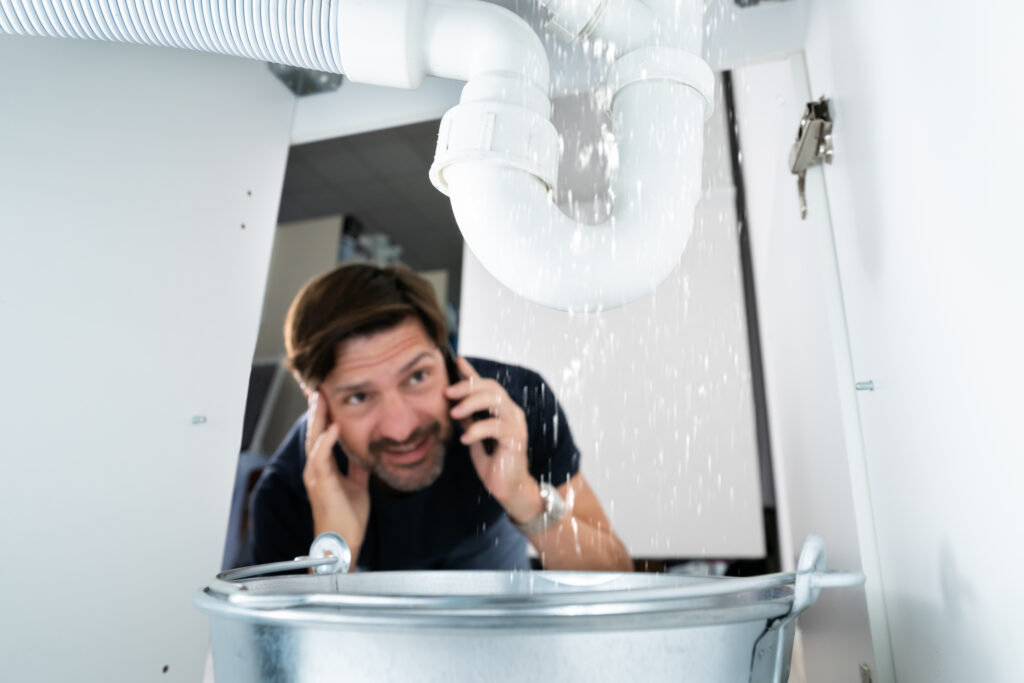
Plumbing emergencies have a way of happening at the worst possible time — late at night, on a holiday weekend, or right before guests arrive. Whether it’s a burst pipe, an overflowing toilet, or a sudden loss of hot water, the minutes between when the problem starts and when a plumber arrives can make a significant difference in how much damage your home sustains. Knowing what to do — and just as importantly, what not to do — can help you protect your home and keep the situation from getting worse.

Shut Off the Water First

The very first thing you should do in most plumbing emergencies is stop the flow of water. For an isolated fixture like a toilet or sink, look for the shutoff valve located underneath or behind it and turn it clockwise to close it. If the problem is more widespread — like a burst pipe behind a wall — you’ll need to shut off the main water supply to your home. Knowing where your main shutoff valve is located before an emergency occurs is something every homeowner should make a priority.

Turn Off the Water Heater

If you’ve had to shut off the main water supply, turn off your water heater as well. Running a water heater without a water supply can cause the tank to overheat or sustain damage. If you have a gas water heater, switch it to the pilot setting rather than turning off the gas entirely.

Don’t Ignore a Possible Gas Leak

If your plumbing emergency involves a gas line — or if you smell gas at any point — don’t try to handle it yourself. Leave the building immediately, avoid turning any lights or switches on or off, and call your gas company and emergency services from outside. Gas leaks are a life-safety issue that requires immediate professional attention. Hank & Sons Plumbing offers emergency gas line services and can help assess and repair damage once it is safe to do so.

Minimize the Damage While You Wait

Once the water is off, do what you can to protect your home. Grab towels, mops, or buckets to contain standing water, and move furniture, rugs, or electronics away from the affected area if it’s safe to do so. If water has reached light fixtures, outlets, or your electrical panel, stay away from those areas and consider shutting off power to that part of your home at the breaker box.

What Not to Do

Avoid the temptation to attempt a DIY fix in the middle of an emergency. Wrapping a burst pipe with tape or pouring chemicals down a severely clogged drain may seem helpful in the moment, but these quick fixes can make the underlying problem worse and complicate the repairs your plumber will need to make. It’s also a good idea to avoid using any other plumbing fixtures in your home until the issue has been assessed.

Document the Damage

Before any cleanup begins, take photos and video of the damage. This documentation can be valuable when filing a homeowner’s insurance claim and gives your plumber a clearer picture of what occurred.

Call a Plumber You Can Trust

When a plumbing emergency strikes, you need fast, reliable help from a team that won’t leave you waiting. Hank & Sons Plumbing provides emergency plumbing services to homeowners and businesses throughout the Inland Empire. Call 909-524-2906 any time to get a plumber on the way quickly.

Why Commercial Kitchens Need a Reliable Plumber on Call

June 11, 2026

A commercial kitchen is one of the most demanding environments a plumbing system can operate in. Between the high-volume water usage, the grease, the food waste, and the constant wear on fixtures and drains, the plumbing in a restaurant or food service facility takes a beating every single day. When something goes wrong — and at some point, it will — the consequences go far beyond a minor inconvenience. A plumbing failure in a commercial kitchen can mean lost revenue, health code violations, and in serious cases, a forced closure.

That’s why having a reliable plumber you can count on isn’t just a good idea for commercial kitchen operators. It’s essential.

Grease Buildup Is a Constant Threat

One of the most common plumbing problems in commercial kitchens is grease accumulation in drains and sewer lines. Even with grease traps in place, buildup happens over time and can lead to slow drains, backups, and full blockages. Hydro jetting is one of the most effective ways to clear this buildup, using high-pressure water to blast away grease, debris, and scale from the interior of your pipes. Scheduling regular drain cleaning with a qualified plumber can keep your kitchen running smoothly and help you avoid emergency situations during peak business hours.

High-Volume Use Accelerates Wear

The fixtures, pipes, and appliances in a commercial kitchen experience far more stress than anything in a residential setting. Faucets run constantly, spray nozzles take heavy use, and the hot water demand is relentless. This level of wear means that leaks, broken fixtures, and failing connections are more likely — and more frequent — than in a standard home. A plumber who is familiar with your facility can catch early signs of wear during routine maintenance visits before they become costly repairs.

Hot Water Is Non-Negotiable

Losing hot water in a home is an inconvenience. Losing it in a commercial kitchen can bring operations to a halt. From dishwashing to food prep to sanitation compliance, hot water is critical to nearly every function in a professional kitchen. Whether your facility relies on a traditional water heater or a tankless system, having a trusted plumber who can respond quickly to water heater issues — and who already knows your setup — can significantly reduce downtime when a problem arises.

Gas Line Issues Demand Immediate Attention

Many commercial kitchens rely on gas-powered ranges, ovens, and other appliances. A gas line problem in this environment is not just a plumbing issue — it’s a serious safety concern that requires immediate professional response. Hank & Sons Plumbing handles gas line repair and installation for commercial properties and can respond quickly when an issue is suspected. If you ever detect the smell of gas in your facility, evacuate immediately and call for emergency assistance.

Preventive Maintenance Saves Money

The most cost-effective approach to commercial kitchen plumbing isn’t reactive — it’s proactive. Enrolling in a regular maintenance program means a licensed plumber will inspect your system on a scheduled basis, identify potential issues early, and keep everything operating at full capacity. This kind of preventive care is far less expensive than emergency repairs, and it helps protect your business from the kind of unexpected shutdowns that can damage your reputation with customers.

A Plumber Your Business Can Count On

When your kitchen is on the line, you need a plumbing team that shows up fast and gets the job done right. Hank & Sons Plumbing provides commercial plumbing services throughout the Inland Empire, including emergency response, drain cleaning, hydro jetting, gas line services, and scheduled maintenance programs. Call 909-524-2906 today to learn more or to set up a maintenance plan for your facility.

Trenchless Sewer Repair: The Smarter Way to Fix Sewer Line Problems in the Inland Empire

May 20, 2026

When most homeowners hear “sewer line repair,” they picture heavy equipment, a yard torn apart from one end to the other, and a repair bill that keeps climbing. The good news is that it doesn’t have to be that way. Trenchless sewer repair has changed the way plumbers approach damaged sewer lines — and for many Inland Empire homeowners, it’s the faster, cleaner, and more cost-effective solution.

What Is Trenchless Sewer Repair?

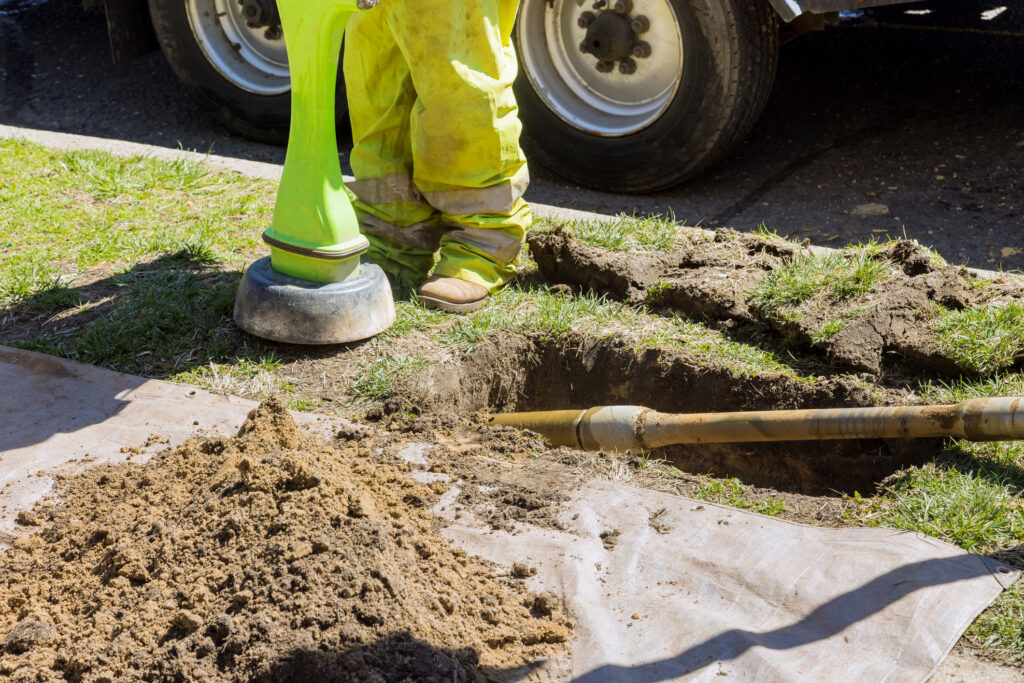
Traditional sewer line repair involves digging a long trench along the length of the damaged pipe to access and replace it. Trenchless repair, as the name suggests, skips most of that digging. Using specialized equipment, a plumber can repair or replace a damaged sewer line with minimal excavation — often just one or two small access points.

There are two common methods used in trenchless repair:

  • Pipe lining – A flexible liner coated with resin is inserted into the damaged pipe and inflated. Once it cures, it forms a new pipe within the old one.
  • Pipe bursting – A bursting head is pulled through the old pipe, breaking it apart while simultaneously pulling a new pipe into place behind it.

Both methods accomplish the same goal: a fully functioning sewer line without destroying your property to get there.

Signs You May Have a Sewer Line Problem

Sewer line issues don’t always announce themselves loudly. Here are some warning signs worth paying attention to:

  • Slow drains throughout the house (not just one fixture)
  • Gurgling sounds coming from toilets or drains
  • Sewage odors inside or outside your home
  • Unusually green or wet patches in your yard
  • Frequent drain backups that keep returning

If any of these sound familiar, it’s time to call Hank & Sons Plumbing at 909-524-2906 to schedule an inspection before the problem gets worse.

Why Trenchless Repair Is Worth Considering

Trenchless methods aren’t always the right fit for every situation, but when they are applicable, the advantages are hard to ignore:

  • Less disruption – Your lawn, landscaping, driveway, and hardscaping stay largely intact.
  • Faster turnaround – Most trenchless jobs can be completed in a day or two, compared to the multi-day timelines traditional excavation can require.
  • Long-lasting results – The materials used in pipe lining and pipe bursting are durable and resistant to root intrusion and corrosion.
  • Lower overall cost – When you factor in the cost of restoring your yard and landscaping after traditional excavation, trenchless repair often comes out ahead financially.

What to Expect During a Trenchless Repair Job

A reputable plumber will start with a camera inspection of your sewer line to assess the damage and confirm that trenchless repair is a viable option. From there, the appropriate method is selected based on the condition and location of the damage. The work is completed with minimal mess, and a follow-up camera inspection is typically done to confirm everything looks good before wrapping up.

Call Hank & Sons Plumbing for Sewer Line Help in the Inland Empire

If you’re dealing with slow drains, recurring backups, or suspect your sewer line may be damaged, don’t wait for a small problem to turn into a major one. The team at Hank & Sons Plumbing is experienced with trenchless sewer repair and can help you find the right solution for your home and your budget. Call 909-524-2906 today to schedule an inspection or get more information about your options.

Common Plumbing Fixture Problems Inland Empire Homeowners Shouldn’t Put Off

May 7, 2026

It’s easy to tune out a dripping faucet or a toilet that runs a little longer than it should. These things feel minor, and with everything else on a homeowner’s to-do list, they often get pushed to the bottom. But plumbing fixture problems have a way of quietly getting worse — and more expensive — the longer they sit unaddressed. Here’s a look at some of the most common fixture issues Inland Empire homeowners deal with, and why it pays to handle them sooner rather than later.

Dripping Faucets

A faucet that drips once per second can waste more than 3,000 gallons of water per year. Beyond the water bill impact, persistent dripping can indicate worn-out washers, O-rings, or valve seats that will only continue to deteriorate. In some cases, a simple repair is all that’s needed. In others — particularly with older fixtures — replacement is the more practical long-term solution.

Running Toilets

A toilet that keeps running after a flush is one of the most common and most wasteful plumbing problems in the home. It typically points to one of the following:

  • A worn or warped flapper that isn’t sealing properly
  • A faulty fill valve that won’t shut off
  • A float that’s set too high and allows water to constantly drain into the overflow tube

Any of these are repairable, but left alone, a running toilet can waste hundreds of gallons of water per day.

Low Water Pressure at Fixtures

If the water pressure at a specific sink or shower has gradually dropped, the fixture itself may be to blame. Mineral buildup in aerators and showerheads is a common culprit — especially in areas with hard water. Cleaning or replacing the aerator often resolves the issue quickly. If low pressure is showing up at multiple fixtures throughout the house, however, that’s worth a professional look, as it can point to a larger plumbing issue.

Slow or Clogged Drains

A drain that’s slow to empty is easy to live with — until it stops draining entirely. Common causes include:

  • Hair and soap buildup in bathroom drains
  • Grease and food debris in kitchen drains
  • Mineral deposits narrowing the interior of older pipes

Drain cleaning can resolve most clogs, but recurring slow drains may be a sign that something deeper in the line needs attention.

When to Repair vs. Replace a Fixture

Not every fixture problem calls for a full replacement, but there are times when replacement makes more sense than another repair:

  • The fixture is old and parts are difficult or expensive to source
  • Repairs have been needed multiple times in a short period
  • Visible corrosion, cracks, or deterioration that can’t be fixed
  • You’re renovating and want to upgrade to something more efficient

A good plumber will give you an honest assessment of whether a repair will hold or whether putting that money toward a replacement is the smarter move.

Let Hank & Sons Plumbing Handle Your Fixture Repairs and Replacements

Whether you’ve got a faucet that won’t stop dripping, a toilet that runs all night, or a drain that’s given up entirely, Hank & Sons Plumbing is ready to help. Our team serves homeowners throughout the Inland Empire with straightforward, honest plumbing service — no upsells, no surprises. Call 909-524-2906 today to schedule an appointment or get answers to your plumbing questions.

Septic Tank Warning Signs You Shouldn’t Ignore — and When to Call a Plumber

April 16, 2026

If your home runs on a septic system, you already know it requires a different kind of attention than a city sewer connection. Out of sight and largely out of mind, septic tanks tend to go unnoticed until something goes wrong. The problem is that by the time most homeowners realize there’s an issue, the situation has already escalated into something costly and disruptive.

The good news is that septic systems give warning signs before they fail. Knowing what to look for can save you thousands of dollars — and a significant amount of stress.

How a Septic System Works

Before getting into the warning signs, it helps to understand the basics. Your septic tank collects all the wastewater from your home — from toilets, sinks, showers, and appliances. Inside the tank, solids settle to the bottom, forming sludge, while liquids flow out to a drain field where they’re filtered naturally through the soil.

When the system is working correctly, this process is invisible to you. When it isn’t, the signs can show up in several different ways throughout your home and yard.

Warning Signs You Shouldn’t Ignore

If you notice any of these signs, it is time to contact Hank & Sons Plumbing.

Slow Drains Throughout the House

A single slow drain is usually a localized clog. But when multiple drains in your home — sinks, showers, toilets — are all draining slowly at the same time, that’s a red flag that your septic system may be struggling to keep up.

Gurgling Sounds in Your Pipes

Strange gurgling noises coming from your drains or toilets after water runs through them can indicate a blockage or pressure issue in the system. This is often one of the earliest warning signs homeowners notice.

Foul Odors Inside or Outside

A properly functioning septic system shouldn’t produce noticeable odors. If you’re detecting sewage smells inside your home or near your yard, that’s a sign that gases or waste are backing up somewhere they shouldn’t be.

Wet or Unusually Green Patches in Your Yard

If you notice soggy ground, standing water, or a section of your lawn that’s noticeably greener and lusher than the rest — particularly near your drain field — your septic system may be leaking or overflowing. This is a serious issue that warrants immediate attention.

Sewage Backup

This is the most urgent warning sign of all. If wastewater is backing up into your toilets, sinks, or bathtubs, stop using the system immediately and call a plumber right away. Sewage backup poses a health risk and indicates a failure somewhere in the system.

What Causes Septic Systems to Fail?

Most septic problems come down to a few common causes. The tank may simply be overdue for pumping — most systems need to be pumped every three to five years, depending on household size. Other causes include flushing materials that shouldn’t go down the toilet, excessive water use overwhelming the system, or damage to the tank or drain field lines.

Tree root intrusion is also a common culprit in Southern California, where certain species of trees send roots searching for water. Over time, roots can crack or clog septic lines without any visible signs above ground.

When to Call a Professional

Anytime you notice more than one of these warning signs — or if you’re experiencing sewage backup — it’s time to call a licensed plumber with septic system experience. Attempting to diagnose or repair a septic issue without the right knowledge and equipment can make the problem worse and drive up costs.

Hank & Sons Plumbing Is Here to Help

At Hank & Sons Plumbing, septic tank repair and installation is one of our specialties. Our experienced team serves homeowners throughout the Inland Empire with honest, reliable service you can count on. Don’t wait for a small problem to become a major one — call 909-524-2906 today to schedule your septic system inspection.