


Emergency Services
909-524-2906
909-524-2906
Coupon

Blog

Does Your Home Need a Water Filtration System? What Inland Empire Homeowners Should Know

April 9, 2026

Most homeowners think about their water supply in simple terms: turn on the tap, water comes out. But what’s actually in that water? For residents throughout the Inland Empire, the answer may be more complicated than you’d expect. Hard water, sediment, chlorine, and other contaminants are common concerns in Southern California — and they can affect everything from the way your water tastes to the lifespan of your pipes and appliances.

A professional water filtration system is one of the most impactful upgrades you can make to your home. Here’s what you need to know before making a decision.

What’s in Your Water?

Municipal water supplies in California are treated to meet safety standards, but “safe” doesn’t always mean “clean” in the way most homeowners expect. Treated water can still contain chlorine and chloramines used in the treatment process, along with trace levels of heavy metals, sediment picked up through aging infrastructure, and mineral deposits that contribute to hard water buildup.

Hard water is particularly common throughout the Inland Empire. It won’t make you sick, but it will leave mineral scale on your fixtures, reduce the efficiency of your water heater, and make it harder for soap to lather properly. Over time, hard water can also shorten the lifespan of appliances like dishwashers and washing machines.

What a Water Filtration System Actually Does

A whole-home water filtration system connects directly to your main water line, so every tap, shower, and appliance in the house receives filtered water. Depending on the type of system installed, it can remove or reduce sediment, chlorine and chemical additives, heavy metals, bacteria, and hard water minerals.

The result isn’t just better-tasting drinking water. You’ll likely notice softer skin and hair after showering, cleaner dishes without water spots, and less mineral buildup on your fixtures and appliances. Many homeowners also find that filtered water extends the life of their water heater and reduces the frequency of plumbing maintenance.

Types of Filtration Systems

Not every home needs the same solution. Some of the most common options include:

  • Whole-home filters — Treat all the water entering the home at the point of entry
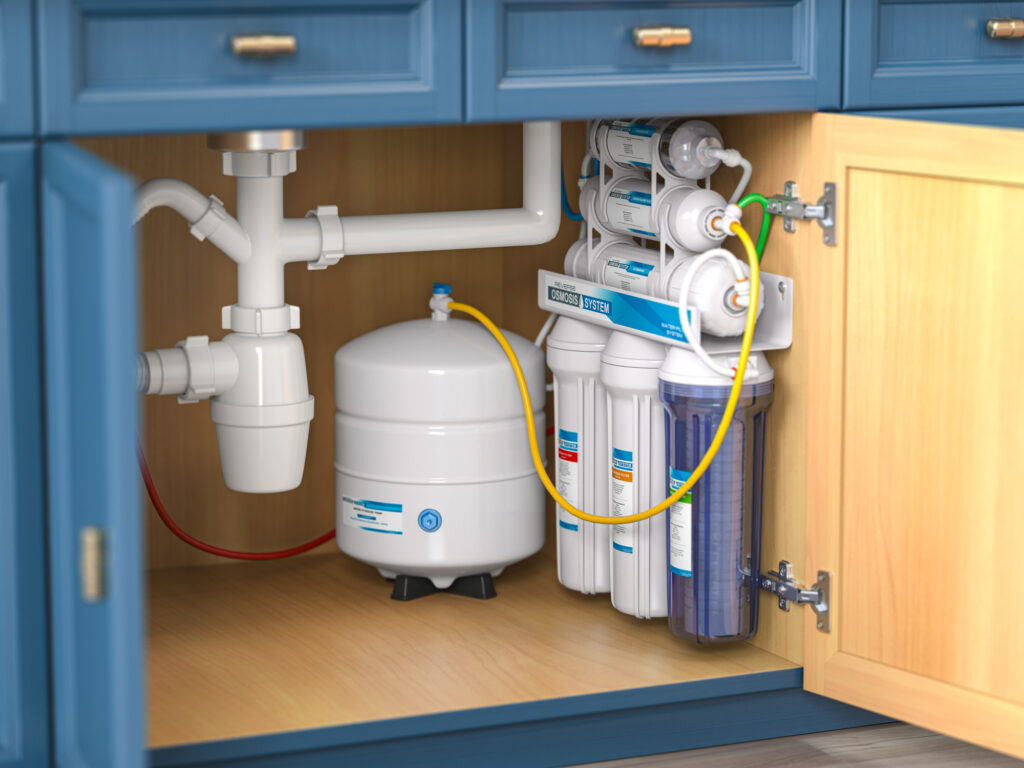
  • Under-sink filters — Targeted filtration for drinking and cooking water at a specific tap
  • Water softeners — Specifically designed to address hard water by removing excess calcium and magnesium
  • Reverse osmosis systems — High-level filtration that removes a wide range of contaminants

A licensed plumber can evaluate your water quality and household needs to recommend the right fit. There’s no one-size-fits-all answer, and installing the wrong system for your situation can mean spending more money without solving the actual problem.

Signs Your Home Might Benefit from Filtration

You don’t need a lab test to suspect your water quality needs attention. Watch for these common indicators:

  • Your water has an unusual taste or odor
  • You notice white or gray mineral buildup around faucets and showerheads
  • Your skin feels dry or your hair feels dull after showering
  • Your appliances are wearing out faster than expected
  • You find yourself buying bottled water regularly

If any of these sound familiar, it’s worth having a professional take a look.

Let Hank & Sons Plumbing Help

At Hank & Sons Plumbing, we install water filtration systems for homeowners throughout the Inland Empire. Our team will help you understand your options, evaluate what your home actually needs, and handle the installation from start to finish. Call us today at 909-524-2906 to schedule a consultation and find out how cleaner water can make a real difference in your home.
Why Slab Leaks Are So Dangerous for Homes—and How Early Detection Can Prevent Major Repairs

March 20, 2026

Many plumbing problems start small and gradually worsen over time, but slab leaks are different. Because they occur beneath the concrete foundation of a home, slab leaks often remain hidden until significant damage has already begun. By the time homeowners notice the warning signs, the leak may have been active for weeks or even months.

Understanding the risks of slab leaks and recognizing the early warning signs can help homeowners protect their property and avoid expensive structural repairs. If a slab leak is suspected, professional leak detection from Hank & Sons Plumbing can help identify the problem quickly and prevent further damage.

What Is a Slab Leak?

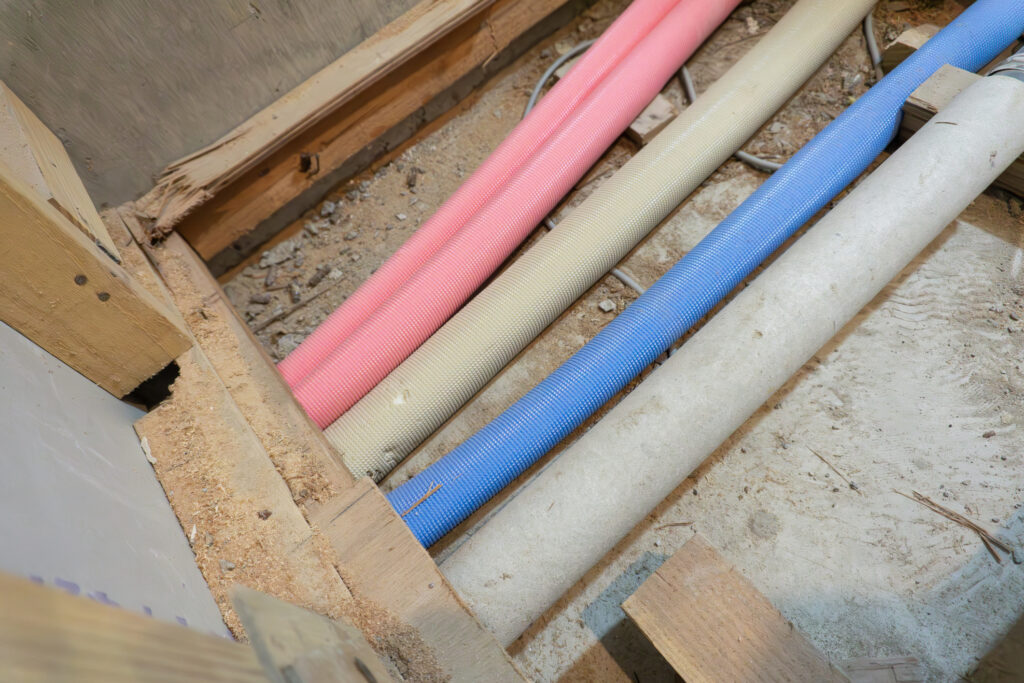
A slab leak occurs when a water pipe running beneath a home’s concrete foundation develops a crack, hole, or break. These pipes carry water throughout the house, but because they are buried below the slab, leaks can go undetected for a long time.

Slab leaks can occur for several reasons, including:

  • Pipe corrosion caused by mineral content in the water
  • Shifting soil beneath the foundation
  • Poor installation or aging plumbing materials
  • Abrasion caused by pipes rubbing against concrete or gravel
  • High water pressure stressing the pipes over time

Regardless of the cause, any leak beneath a foundation can threaten both the plumbing system and the structural integrity of the home.

Why Slab Leaks Are So Dangerous

Unlike a leaking faucet or visible pipe, slab leaks release water directly beneath the structure of the home. This can create several serious problems if not addressed quickly.

First, the constant moisture can weaken the soil supporting the foundation. When soil becomes oversaturated, it may shift or erode, which can cause the foundation to settle unevenly. Over time, this movement can lead to cracks in walls, floors, and ceilings.

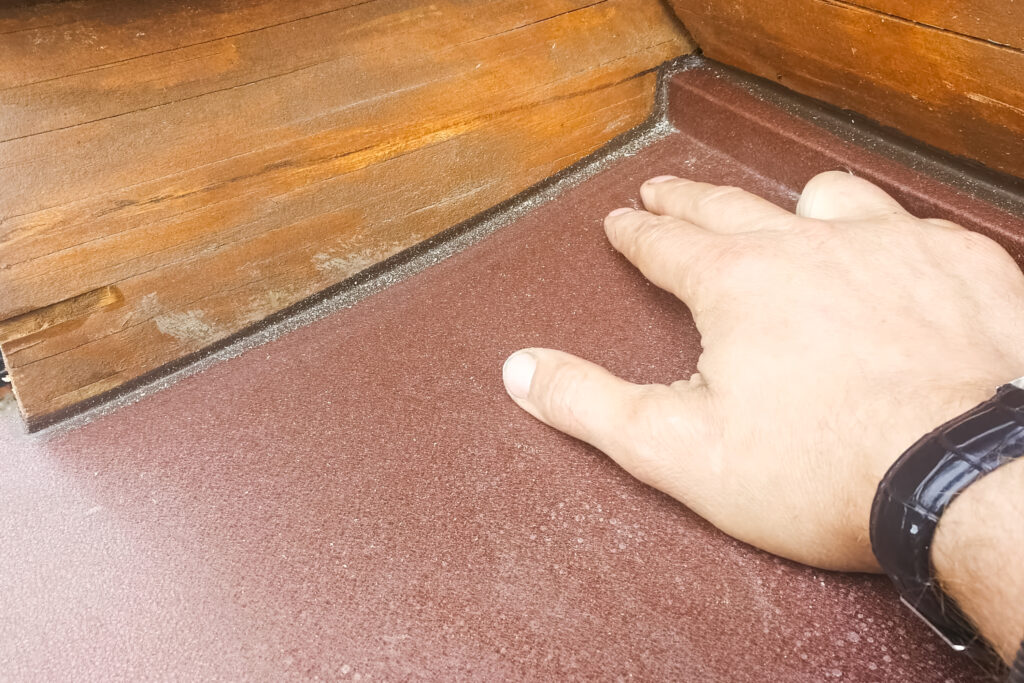
Second, slab leaks can cause water to seep upward through flooring materials. Hardwood floors may warp, carpets may become damp, and tile grout may discolor. In some cases, homeowners notice warm spots on the floor when hot water lines are involved.

Third, prolonged moisture beneath a home can contribute to mold growth and indoor air quality problems. Even if the leak itself is hidden, the resulting moisture can spread into nearby building materials.

Because slab leaks often remain unnoticed at first, these problems may develop gradually until repairs become much more complicated and expensive.

Common Signs You May Have a Slab Leak

Although slab leaks are hidden beneath the home, there are several warning signs homeowners should watch for.

These may include:

  • Unexpected increases in your water bill
  • The sound of running water when no fixtures are in use
  • Damp or warm spots on floors
  • Cracks appearing in walls or flooring
  • Reduced water pressure in your plumbing system
  • Mold or mildew odors in the home

If you notice any of these symptoms, it’s important to contact a professional plumber as soon as possible.

The Importance of Professional Leak Detection

Detecting a slab leak requires specialized tools and expertise. Professional plumbers use advanced equipment to locate the source of the leak without unnecessarily damaging the foundation or flooring.

This process may include acoustic listening devices, electronic leak detection systems, and pressure testing. These methods allow technicians to pinpoint the location of the problem so repairs can be completed efficiently.

At Hank & Sons Plumbing, experienced technicians understand how to locate hidden leaks while minimizing disruption to your home.

Repairing Slab Leaks Quickly Protects Your Home

Once a slab leak is identified, several repair options may be available depending on the location and condition of the pipe. In some cases, plumbers may repair a small section of pipe. In other situations, rerouting or replacing part of the plumbing line may provide a more reliable long-term solution.

Acting quickly is the key to minimizing damage. The sooner a slab leak is addressed, the less impact it will have on the foundation, flooring, and surrounding structures.

If you suspect a slab leak in your home, contact Hank & Sons Plumbing at 909-524-2906. Our experienced team can perform professional leak detection and help protect your home from the costly damage that hidden plumbing leaks can cause.

When Is It Time to Repipe Your Home? Warning Signs Your Plumbing System Is Reaching the End of Its Life

March 10, 2026

Most homeowners rarely think about their plumbing system until something goes wrong. Pipes are hidden behind walls, beneath floors, and underground, quietly carrying water throughout the home every day. However, like any other system in your house, plumbing pipes do not last forever. Over time they can corrode, weaken, and develop leaks that lead to recurring repairs and water damage.

When plumbing problems become frequent, it may be time to consider repiping your home. Repiping replaces aging or deteriorating pipes with modern materials that improve reliability, water quality, and overall system performance. At Hank & Sons Plumbing, experienced plumbers help homeowners determine whether repairs are sufficient or if a full repipe is the better long-term solution.

What Does Repiping a Home Mean?

Repiping involves replacing some or all of the water supply pipes in a home. Rather than repairing one small leak at a time, repiping addresses the entire plumbing system so homeowners can avoid ongoing problems.

This process typically involves removing old pipes and installing new ones made from modern plumbing materials designed for durability and efficiency. While repiping may sound like a major project, it is often completed faster than homeowners expect when performed by experienced professionals.

The result is a more reliable plumbing system that can provide consistent water pressure, improved water quality, and fewer unexpected plumbing emergencies.

Common Signs Your Home May Need Repiping

Many homeowners assume that a plumbing system will last indefinitely, but several warning signs may indicate that pipes are nearing the end of their lifespan.

Frequent plumbing leaks are one of the most common indicators. If you have repaired multiple leaks within a short period of time, it may suggest that the entire system is deteriorating. Continuing to patch individual leaks can become expensive and ineffective.

Low or inconsistent water pressure is another potential warning sign. Mineral buildup, corrosion, or narrowing pipes can restrict water flow, causing showers and faucets to deliver weak water pressure throughout the home.

Discolored water is also a sign of aging pipes. If your tap water appears rusty, brown, or yellow, corrosion inside the pipes may be contaminating the water supply.

Other signs that may point to the need for repiping include:

  • Pipes that are more than several decades old
  • Strange metallic tastes or odors in the water
  • Visible corrosion on exposed pipes
  • Frequent pipe noise or banging sounds
  • Recurring plumbing repairs throughout the home

When these issues appear together, it often indicates that the plumbing system is nearing the end of its useful life.

Benefits of Repiping Your Home

Although repiping requires an investment, it offers several long-term benefits that many homeowners find worthwhile.

First, a new plumbing system improves reliability. Instead of dealing with recurring leaks and pipe failures, homeowners gain peace of mind knowing that the system has been completely upgraded.

Second, repiping can significantly improve water pressure. Modern plumbing materials allow water to flow more freely through the system, making showers, faucets, and appliances function more efficiently.

Third, new pipes can improve water quality. Corroded pipes may release rust or sediment into the water supply, affecting taste and appearance. Replacing them helps ensure cleaner water for drinking, cooking, and bathing.

Repiping may also increase the value of a home. Buyers often view an updated plumbing system as a major advantage because it reduces the likelihood of future plumbing problems.

Professional Repiping Ensures Long-Term Performance

Repiping is not simply about installing new pipes—it requires careful planning and professional installation to ensure that the entire system functions correctly. Experienced plumbers evaluate the layout of the home, determine the best materials for the project, and install the system in a way that minimizes disruption to the property.

At Hank & Sons Plumbing, our team has the experience and equipment needed to complete repiping projects efficiently while maintaining the highest standards of workmanship.

If you are experiencing recurring leaks, poor water pressure, or other plumbing issues, it may be time to evaluate your system. Contact Hank & Sons Plumbing at 909-524-2906 to schedule an inspection and learn whether repiping is the right solution for your home.

Tankless vs. Traditional Water Heaters: How to Decide What’s Right for Your Home

February 20, 2026

Hot water is something most homeowners don’t think about—until it runs out. If your current water heater is aging, inconsistent, or driving up energy bills, you may be deciding between a traditional tank model and a tankless system. Both options have advantages, and the right choice depends on your household’s needs.

At Hank & Sons Plumbing, we help homeowners evaluate their usage, budget, and long-term goals before recommending a water heater solution.

How Traditional Water Heaters Work

Traditional water heaters store a set amount of hot water in a tank, typically ranging from 30 to 80 gallons. Once the hot water is used, the tank refills and reheats.

These systems are:

  • Generally lower in upfront cost
  • Simple in design
  • Reliable for predictable usage
  • Easier to replace with similar models

For many families, a properly sized tank water heater provides sufficient hot water for showers, laundry, and dishwashing without issue. However, once the stored hot water runs out, you must wait for the tank to refill and heat again.

Additionally, tank systems continuously heat water to maintain temperature, which can increase energy usage over time.

How Tankless Water Heaters Differ

Tankless water heaters, sometimes called on-demand systems, heat water only when it is needed. Instead of storing hot water, they use high-powered heating elements to warm water as it flows through the unit.

Tankless systems offer:

  • Continuous hot water supply
  • Increased energy efficiency
  • Longer lifespan compared to tank units
  • Compact design that saves space

Because water is heated on demand, you won’t run out during back-to-back showers. For larger households or homes with high hot water demand, this can be a significant benefit.

However, tankless systems typically involve a higher upfront installation cost and may require upgrades to gas lines or electrical systems.

Factors to Consider Before Deciding

Choosing between tank and tankless is not just about convenience. It’s about matching the system to your home.

Key considerations include:

  • Household size and peak water usage
  • Available installation space
  • Energy efficiency goals
  • Existing plumbing and gas line capacity
  • Budget for installation

For example, a smaller household with moderate hot water usage may not need the capacity of a tankless system. On the other hand, a growing family that frequently runs multiple appliances at once may benefit from the continuous supply.

At Hank & Sons Plumbing, we assess your plumbing setup and discuss your daily routines before making a recommendation.

Lifespan and Long-Term Value

Traditional tank water heaters typically last 8–12 years. Tankless systems can last 15–20 years with proper maintenance.

While tankless models often cost more upfront, their energy efficiency and longer lifespan can offset that investment over time. Regular maintenance, including flushing and inspection, helps maximize performance for either system.

If your current water heater is more than a decade old and experiencing inconsistent temperatures, rising utility costs, or frequent repairs, it may be time to explore replacement options.

Making the Right Choice for Your Home

There is no one-size-fits-all answer. The right water heater depends on how your household uses hot water and what you prioritize—lower upfront cost or long-term efficiency.

At Hank & Sons Plumbing, we handle both new installation and repair of traditional and tankless water heaters. Our goal is to ensure your home has reliable hot water without unnecessary expense or disruption.

If you’re considering upgrading your water heater or need help determining the best option, call 909-524-2906 to schedule an evaluation. The right system will keep your home comfortable and efficient for years to come.

Hydro Jetting vs. Traditional Drain Snaking: Which Is Right for Your Home?

February 11, 2026

When a drain slows down or backs up completely, most homeowners just want it fixed fast. But not all drain cleaning methods are the same. Two of the most common professional solutions are traditional drain snaking and hydro jetting. Understanding the difference can help you choose the right approach for your home and prevent repeat issues.

At Hank & Sons Plumbing, we evaluate each clog individually before recommending a solution. The goal is not just to clear the blockage, but to protect the long-term health of your plumbing system.

What Is Traditional Drain Snaking?

Drain snaking, sometimes called cabling, uses a flexible metal auger inserted into the pipe. The tool breaks apart or pulls out blockages so water can flow again.

Snaking works well for:

  • Hair clogs in bathroom drains
  • Minor kitchen sink blockages
  • Isolated obstructions near the drain opening
  • First-time or occasional clogs

It is often a fast and effective solution when the issue is localized. However, snaking typically clears a path through the clog rather than fully cleaning the pipe walls.

If buildup remains along the interior of the pipe, future clogs may form more quickly.

How Hydro Jetting Works

Hydro jetting uses high-pressure water to thoroughly clean the inside of pipes. Instead of punching a hole through debris, it scours the pipe walls, removing grease, scale, sludge, and accumulated buildup.

Hydro jetting is often recommended for:

  • Recurring drain clogs
  • Heavy grease buildup
  • Tree root intrusion in sewer lines
  • Older plumbing systems with long-term buildup
  • Preventative maintenance for high-use drains

Because it cleans the full diameter of the pipe, hydro jetting can restore flow capacity and reduce the likelihood of repeat blockages.

When Snaking May Be Enough

Not every clog requires hydro jetting. If the blockage is minor and your plumbing system is in good condition, snaking may be the most practical option.

For example, a bathroom sink clogged by hair near the trap typically does not require high-pressure cleaning. In these cases, a professional assessment from Hank & Sons Plumbing can determine whether a simple mechanical clearing will resolve the issue effectively.

Choosing the appropriate method helps avoid unnecessary stress on the plumbing system.

When Hydro Jetting Is the Better Investment

If you find yourself calling for drain cleaning more than once a year, there may be a deeper buildup issue. Grease, soap residue, mineral scale, and debris can accumulate over time, especially in kitchen lines.

Hydro jetting provides a more comprehensive cleaning. By removing buildup along the pipe walls, it restores the pipe closer to its original condition.

Homeowners often choose hydro jetting when:

  • Drains repeatedly slow down
  • Multiple fixtures are affected
  • There is concern about long-term sewer health
  • Preventative maintenance is desired

It can also be an excellent solution for commercial kitchens or properties with higher usage demands.

The Importance of Professional Evaluation

Before performing hydro jetting, a professional plumber may recommend inspecting the pipes to ensure they are structurally sound. Older or damaged pipes may require repair before high-pressure cleaning is appropriate.

At Hank & Sons Plumbing, we assess your plumbing system carefully to determine the safest and most effective approach. Whether you need a quick snaking service or a more thorough hydro jetting solution, we tailor our recommendation to your specific situation.

If you are dealing with slow drains or recurring clogs, call 909-524-2906 to schedule an evaluation. Addressing the issue early can help prevent more extensive plumbing problems in the future.

Clearing a clog is one thing. Protecting your pipes long term is another. The right method makes all the difference.