
Emergency Services
909-524-2906
909-524-2906
Coupon

Blog

Why Small Water Leaks Turn Into Major Home Damage Faster Than You Think

January 21, 2026

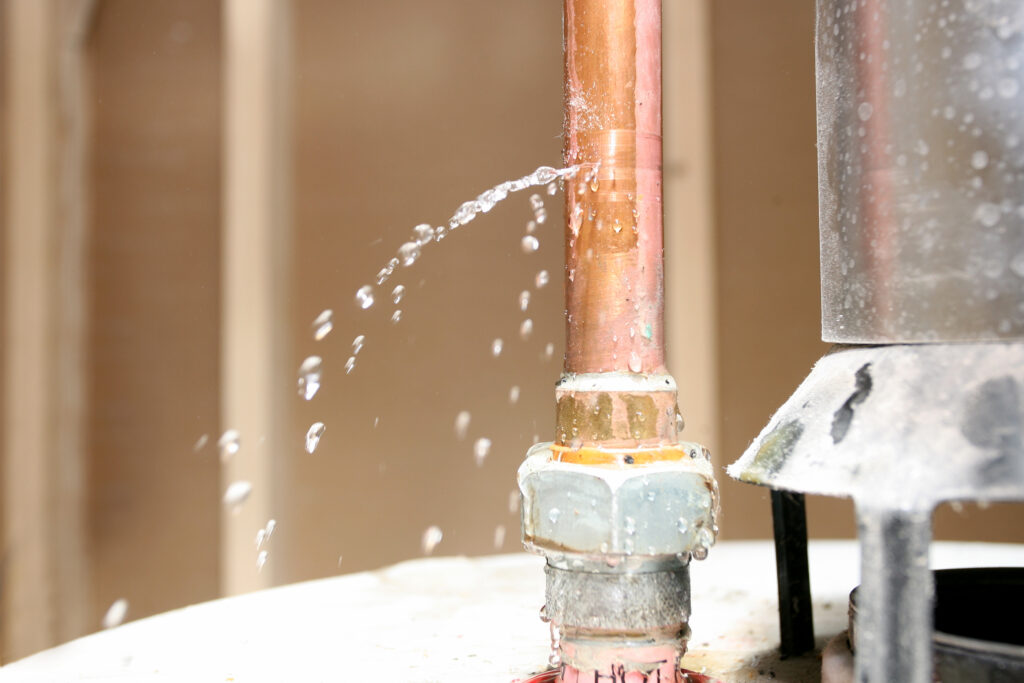
Small water leaks are one of the most underestimated plumbing problems homeowners face. Because they often develop out of sight and don’t cause immediate disruption, they’re easy to ignore. Unfortunately, even a minor leak can quietly cause extensive damage long before it becomes obvious — turning what could have been a simple repair into a costly restoration project.

Why Minor Leaks Rarely Feel Urgent

Unlike burst pipes or overflowing fixtures, small leaks don’t usually announce themselves. There’s no dramatic flooding or obvious mess. Instead, the signs tend to be subtle: a slightly higher water bill, a faint musty odor, or a small discoloration on a wall or ceiling.

Because these symptoms don’t interfere with daily routines, many homeowners delay calling a plumber. During that delay, water continues to spread into places you can’t see — behind walls, under flooring, and beneath your home’s foundation.

How Water Travels Far Beyond the Leak

Once water escapes a pipe, it doesn’t stay localized. It follows gravity and absorbs into surrounding materials. A leak behind a bathroom wall can migrate into cabinets, flooring, or framing below. A slow leak beneath a slab can saturate soil under the foundation, gradually compromising structural stability.

By the time visible damage appears, water may have already affected a much larger area than expected.

Hidden Damage Happens Faster Than You Think

Even a small, steady leak can release gallons of water each day. Over time, this moisture can lead to:

  • Warped or buckling flooring
  • Rotting wood framing and baseboards
  • Mold growth behind walls or under floors
  • Electrical hazards caused by moisture exposure
  • Structural damage beneath concrete slabs

Mold can begin forming within 24 to 48 hours once moisture is present. When mold develops out of sight, cleanup becomes far more invasive and expensive than addressing the original leak.

Common Places Small Leaks Begin

Some of the most damaging leaks start in areas homeowners rarely inspect, including:

  • Water supply lines behind toilets and sinks
  • Washing machine and refrigerator connections
  • Pipes beneath concrete slabs
  • Aging joints inside walls
  • Outdoor irrigation or main water lines

Because these leaks are hidden, the first noticeable signs are often indirect — warm spots on flooring, unexplained moisture, or the sound of running water when no fixtures are on.

Why DIY Leak Detection Isn’t Enough

Checking your water meter or shutting off fixtures may confirm that a leak exists, but it won’t tell you where it’s coming from or how severe it is. Cutting into walls or flooring without precise information can cause unnecessary damage and increase repair costs.

Professional leak detection uses specialized tools to pinpoint leaks accurately, minimizing disruption to your home while addressing the root cause.

Early Action Saves Thousands

Catching a leak early often means a straightforward repair — replacing a short pipe section, tightening a connection, or sealing a compromised joint. Waiting allows water damage to compound, leading to mold remediation, structural repairs, and extensive restoration.

What starts as a manageable plumbing issue can quickly become a major financial burden.

How Hank & Sons Plumbing Helps Stop Damage Before It Spreads

Hank & Sons Plumbing specializes in professional water leak detection and repair, identifying hidden leaks before they cause widespread damage. With the right tools and experience, leaks can be located quickly and addressed with minimal disruption.

If you’ve noticed rising water bills, unexplained moisture, or signs of a hidden leak, don’t wait. Call 909-524-2906 today to schedule leak detection service and protect your home from preventable damage.
Gas Line Warning Signs Homeowners Should Never Ignore

January 8, 2026

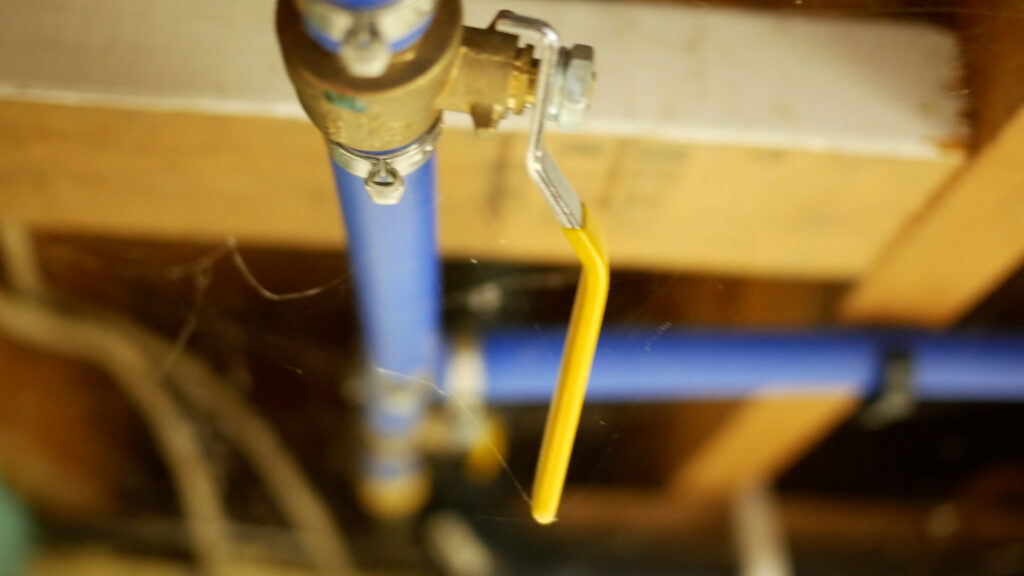
Gas lines are one of the most critical — and potentially dangerous — systems in a home. Unlike water leaks, gas line problems don’t always cause visible damage, but they can create serious safety hazards if ignored. Knowing the warning signs of gas line trouble and acting quickly can protect your home, your family, and your peace of mind.

Why Gas Line Issues Are Especially Dangerous

Natural gas is highly flammable, and even a small leak can create a dangerous environment inside or around your home. Gas exposure can lead to fires, explosions, or health risks when inhaled over time. Because gas lines are often hidden behind walls, under floors, or buried underground, problems may develop without obvious visual clues.

That’s why it’s essential to recognize early warning signs before a minor issue escalates into an emergency.

Common Warning Signs of a Gas Line Problem

One of the most recognizable signs of a gas issue is the smell of sulfur or rotten eggs. Utility companies add this odor to natural gas so leaks can be detected more easily. If you notice this smell inside or outside your home, it should never be ignored.

Other warning signs include:

  • Hissing or whistling sounds near gas lines or appliances
  • Dead or discolored vegetation near outdoor gas lines
  • Unexplained dizziness, headaches, or nausea indoors
  • Pilot lights that frequently go out
  • Appliances that appear to malfunction or burn inefficiently

Any combination of these symptoms may indicate a gas leak or damaged gas line.

How Gas Line Damage Occurs

Gas lines can become compromised for several reasons. Aging pipes may corrode or weaken over time. Shifting soil, seismic activity, or construction work can cause cracks or disconnections. Improper installation or unqualified repairs can also lead to leaks.

Even small changes, such as appliance upgrades or home renovations, can place stress on existing gas lines if the system isn’t evaluated properly.

Why Delaying Repairs Increases Risk

Gas leaks rarely improve on their own. Over time, a small leak can worsen, increasing the concentration of gas in enclosed spaces. This raises the risk of ignition from everyday sources like electrical switches, appliances, or static electricity.

Beyond safety concerns, delaying repairs can also lead to code violations and complications with home insurance claims if damage occurs.

What to Do If You Suspect a Gas Leak

If you believe you have a gas leak, safety comes first. Avoid turning lights on or off, don’t use electronics, and leave the area immediately if the smell is strong. Once you are safe, contact professionals who are trained to assess and repair gas lines.

Gas line inspection and repair should never be a do-it-yourself project. Specialized tools and proper certifications are required to safely diagnose and resolve gas-related issues.

How Hank & Sons Plumbing Handles Gas Line Repairs Safely

Hank & Sons Plumbing provides professional gas line inspection, repair, and replacement services for homeowners who need fast, reliable help. Experienced technicians can identify the source of the problem, determine whether repair or replacement is necessary, and restore your gas system safely and efficiently.

Whether you’re dealing with a suspected leak, upgrading appliances, or addressing aging gas lines, expert evaluation ensures your system meets safety standards.

Don’t Ignore the Warning Signs

Gas line problems demand immediate attention. If you notice unusual odors, appliance issues, or any signs of a potential gas leak, don’t wait for the situation to worsen.

Call 909-524-2906 today to schedule a gas line inspection with Hank & Sons Plumbing and make sure your home’s gas system is operating safely and securely.

What’s Really Blocking Your Sewer Line—and How to Prevent a Costly Backup

December 24, 2025

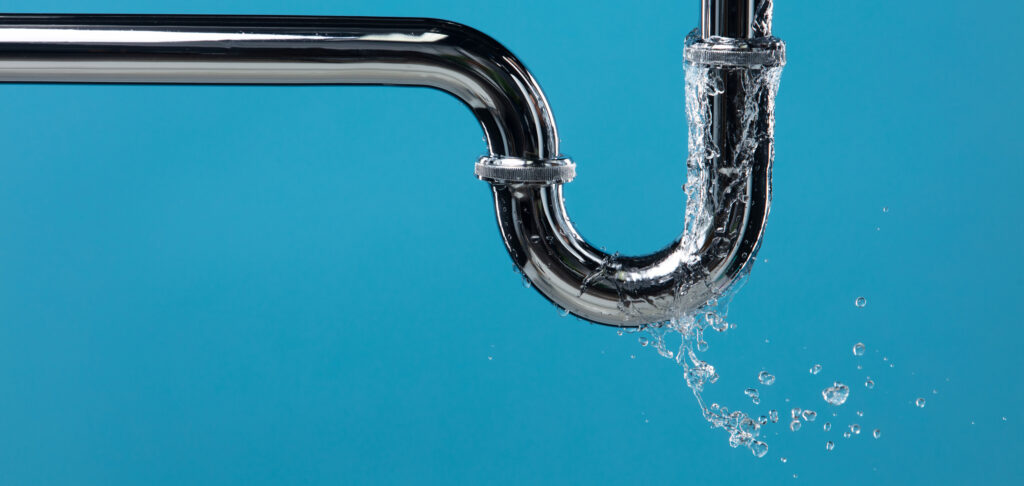
Few plumbing problems cause as much disruption—and damage—as a sewer line backup. When wastewater has nowhere to go, it reverses direction, flowing back through drains, showers, bathtubs, and toilets. For the homeowner or property investor, this can mean days of downtime, damaged flooring, sanitation concerns, and thousands in restoration expenses.

Most backups are preventable when the warning signs are recognized early—and when sewer lines are maintained proactively instead of waiting for an emergency.

What Causes a Sewer Line Backup?

Sewer lines are designed to move waste away from the home and into the municipal system or septic tank. When that system becomes clogged or damaged, water reverses course.

Major causes include:

  • Tree root intrusion into aging sewer pipes
  • Grease buildup from kitchens and garbage disposals
  • Items that should never be flushed (wipes, feminine products, dental floss)
  • Structural pipe collapse due to soil shifting or age
  • Scale buildup in older cast iron pipes
  • Heavy rainfall overloading outdoor drain fields or municipal lines

Even rental properties—where tenants may not understand what should or shouldn’t be flushed—are especially vulnerable.

Early Warning Signs Most People Ignore

A backup almost never happens suddenly. It sends signals first.

Watch for:

  • Gurgling toilets after flushing
  • Multiple slow drains across the home
  • Foul sewage odors, especially near floor drains
  • Water backing up in tub or shower when a toilet is flushed
  • Sewage-water stains around basement drains

If more than one fixture is affected, the problem is in the main sewer line—not a single drain.

Why Speed Matters

Once sewage backs up, damage spreads quickly:

  • Carpets and flooring absorb contaminated water
  • Drywall and trim swell or rot
  • Bacteria and mold form within 24–48 hours
  • Occupants may be forced to vacate for sanitation reasons

Landlords risk lost income and repair bills. Homeowners face costly cleanup and disposal fees. Quick professional intervention is essential.

How Sewer Line Issues Are Diagnosed

When you contact Hank & Sons Plumbing, technicians use video camera inspection to look inside the sewer line before recommending any repairs. This prevents unnecessary digging and helps determine the best solution.

Possible repair methods include:

  • Hydro jetting to remove grease, scale, or small roots
  • Mechanical root cutting for heavy tree intrusion
  • Trenchless pipe lining to restore damaged pipes
  • Full pipe replacement only if structurally necessary

Not every home needs excavation—and modern techniques allow most problems to be solved with minimal landscape disruption.

Preventing Sewer Backups Before They Begin

A few changes can dramatically reduce sewage disasters:

  • Schedule preventative sewer cleanout every 1–2 years
  • Never flush wipes or hygiene products—even if they say “flushable”
  • Install drain filters in high-use bathrooms
  • Educate tenants in multi-unit buildings about proper disposal
  • Avoid pouring grease or cooking oil down any drain
  • Request an annual camera inspection for older homes

For investment properties, preventative maintenance is often far cheaper than emergency restoration.

Protect Your Property and Your Peace of Mind

A sewer line backup is one of the most expensive plumbing emergencies—but also one of the most preventable. Whether you’re a homeowner or a rental property owner, proactive care is key.

If you’re noticing early signs or simply want to prevent future issues, call Hank & Sons Plumbing at 909-524-2906 to schedule a sewer line evaluation and keep wastewater flowing where it belongs—away from your home.

Under Your Feet: How Slab Leaks Form and Why Acting Fast Matters

December 10, 2025

A home’s plumbing system is mostly hidden—behind walls, under floors, or beneath concrete. While this keeps your space beautiful and uncluttered, it also means problems can develop without being seen. One of the most damaging hidden issues is a slab leak. A slab leak occurs when water lines beneath the concrete foundation begin to leak. Because the water has nowhere to go, it spreads into surrounding concrete and soil—leading to structural damage, mold growth, high bills, and flooring deterioration.

For homeowners, recognizing early warning signs and responding quickly is the difference between a minor repair and a major reconstruction project.

How Do Slab Leaks Start?

Plumbing beneath a home can wear down over time due to:

  • High water pressure
  • Ground shifting or soil movement
  • Corrosion from minerals in the water
  • Temperature changes that cause expansion and contraction
  • Poor installation or improper pipe joining

Copper lines, in particular, are susceptible to pinhole leaks caused by corrosion. Even a pin-sized opening can release gallons of water per day.

Warning Signs Most Homeowners Miss

Unlike visible leaks under sinks or behind toilets, slab leaks are subtle. Many homeowners ignore early symptoms because they seem unrelated to plumbing.

Common signs include:

  • Warm spots on tile or flooring
  • Cracked flooring or unexplained moisture in carpet
  • Sudden increases in water bills without new usage
  • Low water pressure throughout the home
  • Sounds of running water even when all faucets are off
  • A musty smell indicating mold beneath flooring

If the leak is hot water–related, floors may feel unusually warm in isolated areas. If cold water lines are affected, warped flooring or mildew smells may appear first.

Why Fast Action Matters

When water is trapped beneath concrete, it seeks the path of least resistance—outward. Over time this can create:

  • Soil erosion beneath the slab
  • Foundation shifting or settling
  • Cracks in walls or ceiling drywall
  • Damaged wood flooring, baseboards, or cabinets
  • Mold and mildew growth

Repair costs escalate quickly because damage multiplies the longer water remains trapped. A single undetected slab leak can quietly cause tens of thousands in structural damage.

How Slab Leak Repairs Work

Homeowners often imagine repairs requiring flooring removal or jackhammering large areas of concrete. However, modern techniques are far less invasive.

When you call Hank & Sons Plumbing, trained technicians use advanced leak detection tools—including acoustic listening devices, thermal imaging, and pressure isolation—to locate the leak precisely.

Depending on severity, repair options may include:

  • Spot repair directly at the leak location
  • Rerouting plumbing through walls or attic to bypass damaged lines
  • Trenchless epoxy coating to restore pipe integrity

The best solution depends on the pipe condition and location. Rerouting is common when multiple leaks exist or pipes are deteriorating.

Why DIY Testing Isn’t Practical

Homeowners sometimes attempt do-it-yourself tests—shutting off fixtures or monitoring meters. While these steps may suggest you have a leak, they cannot confirm where it is or how severe it is. Cutting into concrete without certainty risks unnecessary destruction.

Leak detection is best handled by professionals who can pinpoint the issue before a single tile is lifted.

Protect Your Home Before Damage Spreads

If your water bill has increased, if your floor feels unusually warm, or if unexplained moisture is appearing indoors, contact a specialist immediately. Early slab leak detection protects your home’s foundation and prevents mold growth and structural damage.

Call Hank & Sons Plumbing at 909-524-2906 to schedule a professional slab leak evaluation and secure your home from hidden water damage.

When Replacement Is Better Than Repair: Signs Your Home Needs Whole-House Re-Piping

November 26, 2025

Plumbing repairs are a normal part of homeownership. A faucet drip here, a clogged drain there — those are manageable. But when your pipes themselves start to fail, repeated repairs quickly become frustrating, expensive, and disruptive. That’s when homeowners begin to ask: Is it time for whole-house re-piping? At Hank & Sons Plumbing, we help homeowners determine whether repairs are still reasonable, or if full pipe replacement is the smarter long-term solution. If your home is showing any of the following signs, re-piping may be the right move.

Aging or Outdated Pipe Materials

The age and material of your plumbing system are major indicators of whether replacement is needed. Homes built before 1980 often used galvanized steel pipes, which are prone to corrosion and internal rust buildup. Even if you haven’t noticed major leaks yet, these pipes may already be severely compromised on the inside. Other problematic pipe materials include polybutylene, which was widely used in the 1980s and 90s, and is now known for sudden, unpredictable failures. If your home still features any of these materials, replacement is typically recommended over repair.

Low Water Pressure Throughout the Home

If low water pressure affects multiple fixtures—not just one sink or shower—it may not be a simple fixture issue. Consistently low pressure is often a sign of heavy internal corrosion, mineral buildup, or pipe deterioration. When pipes become clogged from the inside out, no amount of snaking or cleaning will restore proper pressure. At that point, re-piping is not just a solution — it’s a necessity for functional plumbing.

Recurring Leaks in Different Areas

One leak is a simple fix. Two leaks might be a coincidence. But if leaks are happening in different areas of the home, especially within walls or under floors, it’s a sign that your entire pipe system is wearing down. Patching leak after leak may seem cheaper in the moment, but over time you’ll spend more on repairs than you would on replacement. Not to mention, small leaks often go unnoticed — causing mold growth, structural damage, or slab deterioration.

Discolored or Rust-Tinged Water

Brown, yellow, or rusty-looking water is never a good sign. It usually indicates internal corrosion, and in most cases, that corrosion is happening inside the pipes, not the water heater. If discoloration occurs when both hot and cold taps are running, it’s likely due to degraded pipes. Corroded pipes not only affect water quality — they also weaken over time and become prone to cracks, pinholes, and bursts.

Extreme Temperature Fluctuations

Ever turn on a faucet and experience extreme temperature swings? That’s often a symptom of failing pipes or inadequate flow due to mineral buildup. When corroded or restricted pipes interrupt the water mix, it becomes difficult for your plumbing system to maintain consistent hot and cold balance.

Frequent Plumbing Repairs

If you’ve needed multiple plumbing repairs over the past few years, you may be maintaining a failing system. Instead of fixing problem after problem, whole-house re-piping provides a fresh start with durable, modern materials such as copper or PEX. These materials resist corrosion, scale, temperature fluctuations, and high water pressure — giving you decades of reliability.

Make the Smart Investment

Re-piping may sound like a big undertaking, but it’s often the most economical long-term solution — especially if repairs are becoming common. With expert help from Hank & Sons Plumbing, your home’s plumbing can be upgraded with minimal damage to walls or floors, using modern installation techniques and lasting materials.

Schedule a Whole-Home Pipe Inspection Today

Don’t wait for leaks, water damage, or plumbing emergencies to make the decision for you. Call Hank & Sons Plumbing at 909-524-2906 to schedule an inspection and find out if whole-house re-piping is the right solution for your home.